
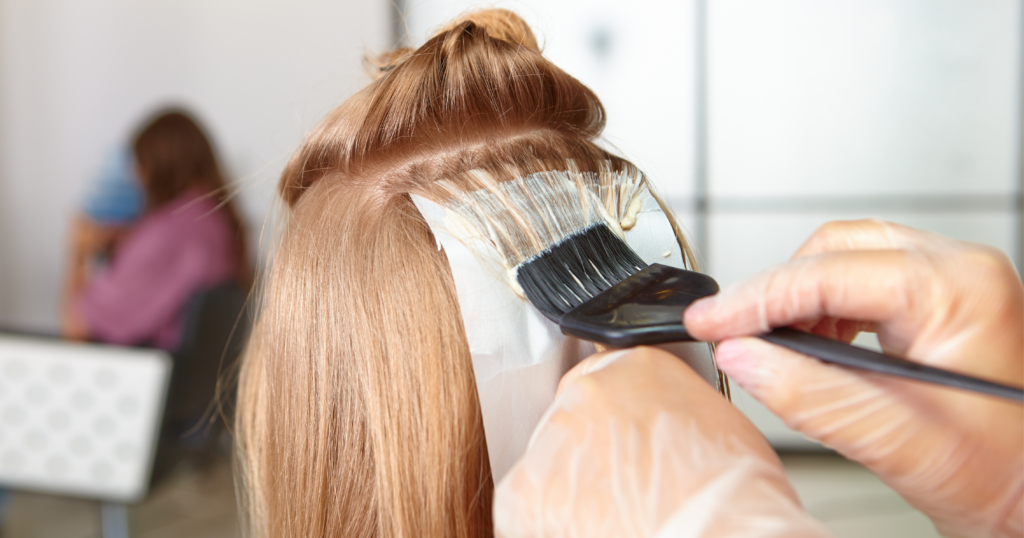
One of the most common reasons clients come into the salon with severely damaged hair is not because they did anything wrong individually, it’s because they overlapped chemical processes too closely together. A rebond here, a color there, a keratin a month later, and suddenly hair that used to be thick and healthy is snapping off at the ends and refusing to grow. If you’ve ever experienced this or are worried about it happening, this guide is for you.
So how often can you rebond hair safely, and how does that interact with coloring and other treatments? The honest answer is that it depends on your hair’s current health, but there are clear timelines and rules of thumb that help you avoid the kind of damage that takes a year or more to recover from. Understanding how often can you rebond hair in combination with other services is the single most important thing you can do to protect your hair long-term.
Why Overlapping Chemical Services Is Riskier Than Most People Realize
Every chemical service, whether it’s a rebond, color, keratin, or perm, affects the structural integrity of the hair shaft. Some treatments open the cuticle, others break internal bonds, and others deposit or strip pigment. When you layer these on top of each other too quickly, the hair doesn’t have enough time to recover and stabilize between processes.
The result is cumulative damage: hair that feels gummy when wet, breaks easily when brushed, loses elasticity, and in serious cases, snaps off at the mid-shaft. This kind of damage is what makes damaged hair repair in Mandaue and other urban centers one of the most requested consultations at full-service salons.
The Safe Timeline: How Often Can You Rebond Hair Without Causing Damage?
This is the most asked question, and the answer is more nuanced than a single number.
First rebond: Most hair can safely handle rebonding if it’s in good baseline health and hasn’t been heavily colored or chemically treated recently.
Subsequent rebonds: As a general rule, you should wait at least 6 months before rebonding again. Some stylists recommend up to 12 months for finer or more fragile hair types. Rebonding before this window closes means you’re applying strong straightening chemicals to hair that may still be in a weakened state from the previous session.
Touch-up rebonding (roots only): Root touch-ups for rebonding, where only the new growth is treated, can be done more frequently, around every 3 to 4 months, since this avoids re-processing the already-treated lengths. This is the recommended approach for maintaining the style without damaging the full length repeatedly.
How Often Can You Safely Color Your Hair?
Hair coloring frequency depends on the type of color service:
- Permanent color (full coverage): Every 4 to 6 weeks for root touch-ups; full re-color no more frequently than every 8 to 12 weeks
- Highlights or balayage: Every 8 to 12 weeks, depending on how fast your hair grows
- Fashion colors or vivid tones: These fade faster and may need refreshing every 4 to 8 weeks, but frequent application on damaged hair should be approached cautiously
- Toners and glosses: Every 4 to 6 weeks is generally safe since these are deposit-only and far less damaging
For those looking into safe hair coloring in Cebu, these timelines apply but tropical conditions can accelerate fading, which sometimes leads clients to color more frequently than their hair can actually handle.
The Golden Rule: How Long to Wait Between Different Chemical Services
This is where most people run into trouble. The question of how often can you rebond hair doesn’t exist in isolation, it’s how long to wait between different chemical services that matters just as much:
| Service Combination | Recommended Wait Time |
| Rebond → Color | At least 2 weeks, ideally 4 |
| Color → Rebond | At least 2 to 4 weeks, hair assessment required |
| Rebond → Keratin | At least 4 to 6 weeks |
| Keratin → Color | At least 2 weeks |
| Color → Highlights/Bleach | At least 4 to 6 weeks |
| Back-to-back Rebond (full length) | At least 6 months |
These are minimums. If your hair shows any signs of damage such as excessive breakage, gumminess when wet, or significant dryness, the wait should be extended and a conditioning treatment should be completed first.
Signs Your Hair Needs to Recover Before the Next Service
Before booking any chemical appointment, run a quick check on your hair’s current condition:
Stop and recover if you notice:
- Hair that stretches but doesn’t bounce back when wet
- Unusual amounts of breakage during brushing
- Ends that feel brittle, rough, or straw-like
- Significant dryness that doesn’t respond to conditioner
If any of these sound familiar, a deep conditioning or protein treatment schedule should come before the next chemical service, not after.
Building a Safe Annual Hair Service Calendar
Here’s a realistic example of what a responsible annual hair care calendar can look like for a client who colors and rebonds:
Month 1: Rebond (full treatment)
Month 2–3: Root color touch-up + toning only
Month 3–4: Deep conditioning treatment
Month 4–5: Highlights or partial color refresh
Month 6–7: Rebond root touch-up (new growth only) + toner
Month 8–9: Full color refresh if needed + conditioning mask
Month 10–12: Deep treatment, rest period, prep for next rebond cycle
This is the practical answer to how often can you rebond hair and color safely in the same year, and it’s what safe hair coloring in Cebu and responsible rebonding looks like in practice, not skipping services entirely, just giving your hair what it needs between each one.
How Elysian Salon Approaches Chemical Services
At Elysian Salon, we don’t just book the service you ask for without checking whether your hair is actually ready for it. Our stylists assess your hair’s current condition first, ask about your recent chemical history, and give you an honest recommendation, even if that means suggesting a treatment that comes before the one you originally booked.
We work across Cebu City (V. Rama Avenue), Mandaue City (Chatswood Center, A.S. Fortuna), and Iloilo City (Plazuela Dos, Mandurriao), and our teams are experienced in handling everything from routine color maintenance to complex damaged hair repair in Mandaue and across our other branches, helping clients rebuild hair health the right way before layering more chemical services.
If you’re not sure where your hair stands, a consultation is the best place to start. Come in, let us look at what you’re working with, and we’ll help you map out a timeline that actually protects your hair.
Book your consultation with Elysian Salon today.
Frequently Asked Questions
How often can you rebond hair without damaging it, really?
To answer how often can you rebond hair safely: a full-length rebond should be done every 6 to 12 months depending on your hair’s health and thickness. Root touch-up rebonding, which treats only the new growth, can be done every 3 to 4 months without re-processing the treated lengths. Going beyond this frequency risks serious cumulative damage, especially if the hair is also being colored.
Can I color my hair right after rebonding?
It’s generally not recommended to color immediately after rebonding. The hair needs at least 2 weeks to stabilize, and ideally 4 weeks, before introducing another chemical process. Coloring too soon after rebonding can cause dryness, uneven color uptake, and accelerated breakage. Always consult your stylist before layering services.
How do I know if my hair is too damaged for another chemical treatment?
Key signs include hair that feels gummy or stretchy when wet and doesn’t bounce back, excessive shedding during brushing, brittle ends that snap rather than bend, and an overall dry texture that doesn’t respond to conditioning. If your hair shows any of these signs, a strengthening treatment should come before any further chemical service.
What is the safest order for hair chemical services?
The general guideline is to rebond first, then wait before coloring, since rebonding on pre-colored hair carries more risk than the reverse. For clients who want both, stylists typically recommend rebonding first, allowing the hair to stabilize for a few weeks, and then proceeding with color. The exact order should always be assessed based on your hair’s current health.