
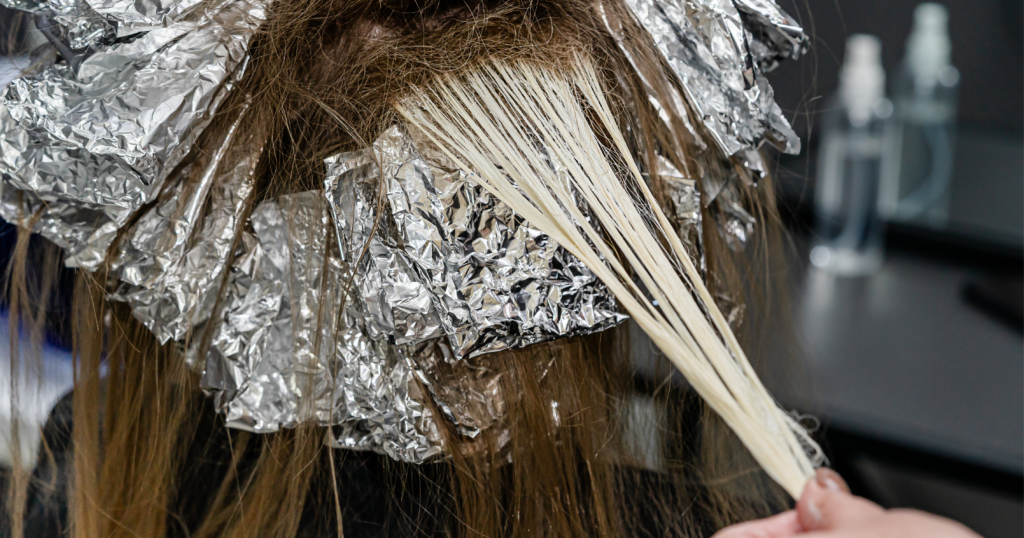
You walked out of the salon feeling like a different person, lighter, brighter, and completely transformed. Then a few weeks passed. Now your hair feels dry and gummy when wet, the ends are splitting, and that beautiful blonde has shifted into a harsh, unwanted orange.
This is one of the most common hair struggles we see in the Philippines, and it hits especially hard in cities like Cebu and Iloilo. The combination of intense tropical UV exposure, salty sea air, chlorinated pools, and mineral-heavy tap water creates an environment that accelerates bleach damage faster than most people expect. If your hair feels like it’s past the point of saving, this guide is for you.
Why Bleached Hair Gets Damaged So Quickly in the Philippine Climate
Bleaching works by opening the hair cuticle and breaking down your natural pigment. In the process, it also weakens the internal protein bonds, called disulfide bonds, that give your hair its structure and elasticity.
Once those bonds are compromised, your hair becomes highly porous. Porous hair is a magnet for everything you don’t want: mineral deposits from hard water, chlorine from pools, salt from the ocean, and UV radiation from the sun. Each of these strips away what little moisture your bleached hair has left, deepening the damage over time.
For residents of Cebu and Iloilo, the tap water in many urban areas carries elevated levels of calcium and magnesium, commonly known as hard water. These minerals bond to your hair shaft and scalp over repeated washes, leaving a chalky buildup that makes blonde hair look dull, brassy, and lifeless even right after washing.
Read Next: Best Low-Maintenance Haircuts for Filipinas in 2026
5 Steps to Genuinely Repair Bleached Hair
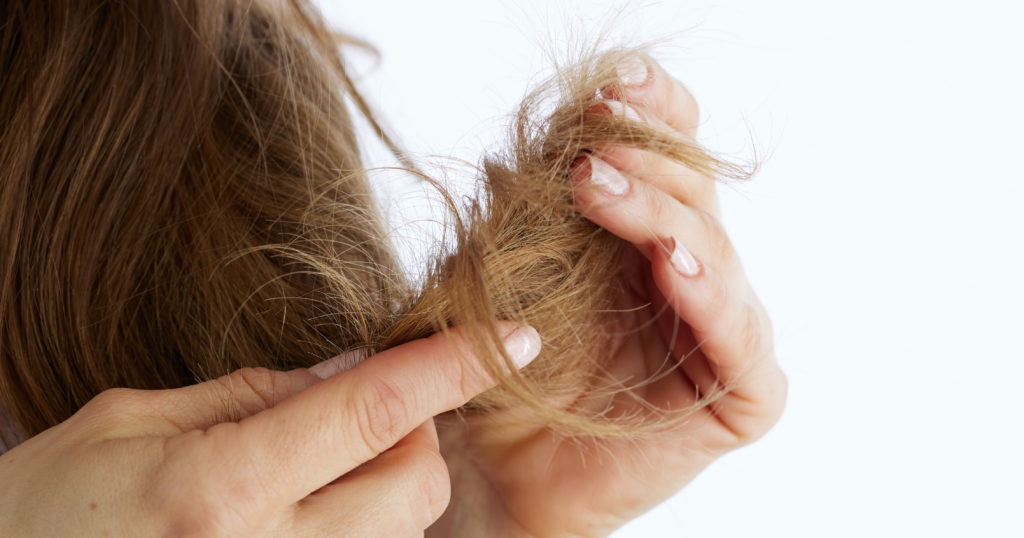
Step 1: Test Your Hair’s Elasticity Before Doing Anything Else
Wet a small section of your hair and gently stretch it. Healthy hair should stretch slightly and spring back. If your hair stretches excessively and doesn’t bounce back, or breaks immediately, your internal bonds are seriously compromised.
At this stage, stop all chemical services. No more bleach, no box dye, and no relaxers. Your priority right now is structural recovery, not color.
Step 2: Switch from Regular Conditioner to Bond-Building Treatments
Standard conditioners only coat the outer surface of the hair shaft. They can make hair feel temporarily smoother, but they don’t address the underlying structural damage from bleaching.
What you need are salon-grade bond repair treatments that penetrate the cortex and actively rebuild broken bonds from within. These are not the same as deep conditioning masks sold at the supermarket because they work at a molecular level and are significantly more effective for chemically processed hair.
Step 3: Neutralize Brassiness Without More Chemical Damage
A professional purple or blue toning shampoo, used once or twice a week, can neutralize warm tones without requiring another round of chemical processing. The key is consistency, and you want to avoid overdoing it so you don’t leave a purplish cast on very light hair.
Step 4: Restore Moisture with a Professional Hair Spa
Bleached hair has lost its natural lipid barrier, making it unable to retain moisture on its own. No matter how many at-home masks you apply, the moisture will escape quickly if the cuticle isn’t sealed properly.
A professional Hair Spa treatment performed in a salon uses heat and high-concentration moisture-binding agents to push hydration deep into the strand and seal it in. For Cebu and Iloilo locals dealing with persistent dryness and frizz from the humidity, a monthly hair spa can make a significant difference in texture and manageability.
Step 5: Leave Color Correction to the Professionals
The temptation to grab a box dye and cover the brassiness at home is understandable, but it’s one of the most common ways damaged hair gets pushed past the point of repair. Box dyes contain high ammonia levels that the weakened structure of bleached hair cannot handle safely.
Genuine color correction requires a skilled colorist who assesses your hair’s current integrity, selects the right developer volume, and precisely deposits tone only where it’s needed. Done incorrectly, color correction on damaged hair can cause severe breakage.
Read Next: Where to Get the Best Haircut for Women in Mandaue (2026 Guide)
Where to Get Expert Hair Recovery in Cebu and Iloilo
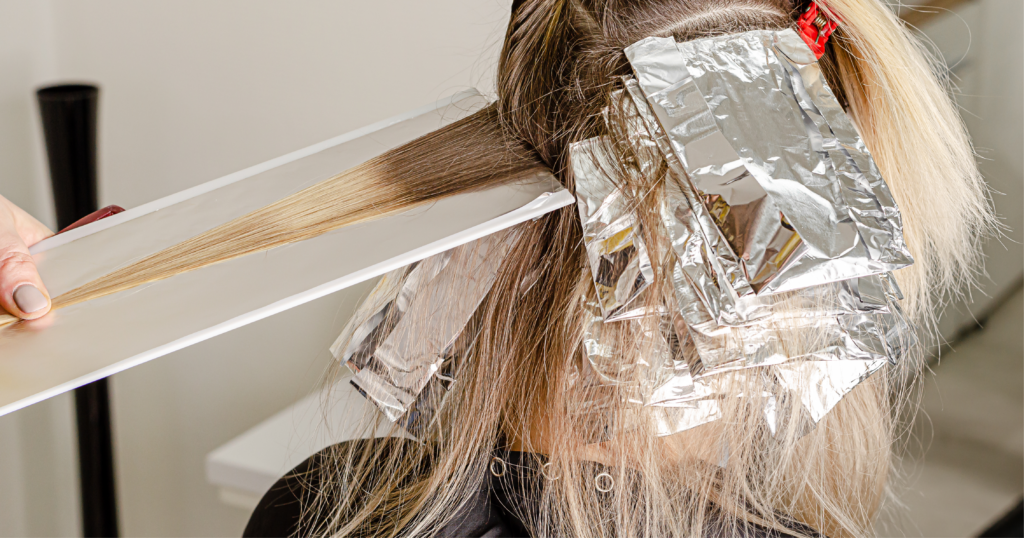
If you’re looking for a salon in Cebu or a trusted salon in Iloilo that specializes in color correction and structural hair restoration, the expertise of the team matters more than the price tag.
Elysian Salon conducts a thorough hair elasticity check before any chemical service because their senior stylists understand that applying product to compromised hair without assessing it first is how damage becomes irreversible. Whether your hair needs a Protein Treatment, a Keratin infusion, or a careful full-head color save, they use premium imported formulas with transparent, length-based pricing so there are no surprises at checkout.
Your hair goals aren’t out of reach; they just need the right approach and the right hands.
Frequently Asked Questions
How to restore damaged hair after bleaching?
Restoring bleached hair requires shifting your focus from temporary surface moisture to deep internal structural repair using molecular bond-building treatments and professional protein therapies. Because bleaching strips your hair’s natural keratin and breaks its internal disulfide bonds, standard supermarket conditioners only coat the outer surface without fixing the underlying damage. At Elysian Salon, we recommend combining an advanced bond-protection system with a specialized, deeply hydrating hair spa or our vegan, moisture-locking Bamboo Miracle Treatment to fill in the gaps of your damaged cuticles, eliminate frizz, and restore your hair’s natural elasticity and shine.
How do I go back to my natural hair color after bleaching it?
Transitioning back to your natural hair color requires a precise multi-step salon process called “filling” to prevent your hair from turning a muddy, unappealing green or gray. Bleaching strips away your hair’s natural warm underlying base pigments, and if you apply a dark dye directly over porous blonde hair without replacing those pigments first, the color will look dull and wash out within a week. A professional colorist at a trusted salon must first redeposit those missing copper and red undertones before applying your final target shade, utilizing low-volume, damage-free demi-permanent glosses to match your roots flawlessly while preserving your hair’s health.
How long does it take for hair to heal from bleach damage?
Because hair is biologically dead tissue, it cannot technically “heal” or regenerate itself on its own, meaning the timeline for recovery depends entirely on how well you reconstruct its texture using advanced salon treatments. By committing to a strict 4-to-6-week routine of professional protein infusions, intense hair spas, and bond repairs, you can dramatically improve your hair’s manageability, strength, and elasticity. However, if your hair has been over-processed to the point of feeling completely gummy, mushy, or stringy when wet, those specific sections are permanently destroyed and will ultimately need to be removed with regular precision trims while your healthy, natural hair grows back.
What are bleach-damaged hair repair home remedies?
While popular home remedies like applying virgin coconut oil, olive oil, or DIY avocado masks are excellent for lubricating the outer hair shaft and reducing physical brushing friction, they cannot repair true chemical bleach damage. The molecular structures of raw household ingredients are simply too large to penetrate the tightly sealed or compromised hair cortex where the internal structural bonds are actually broken. While utilizing a touch of natural coconut oil is a great way to shield your ends from tropical sun exposure or pool chlorine, true structural recovery requires low-molecular-weight professional salon treatments, such as specialized Hair Botox or intensive protein therapies, that are engineered to work at a cellular level to mend the hair strand from within.
What to do right after bleaching hair?
The first 48 to 72 hours immediately following a bleaching session are absolutely critical because your hair cuticles are wide open, fragile, and highly susceptible to snapping under minor stress. To protect your investment, you should delay your first home wash for at least three days to let your scalp’s natural protective oils replenish and allow the toner to completely lock in. Additionally, you must completely eliminate high-heat styling tools like flat irons, use only the “cool” setting on your blow dryer after applying a premium leave-in thermal protectant serum, and switch to a wide-tooth comb or a wet brush while sleeping on a silk or satin pillowcase to eliminate hair-snapping friction.