If you’ve ever sat in a salon chair and genuinely couldn’t decide between hair rebonding and keratin treatment, you’re not alone. This is one of the most common questions stylists in Visayas get, and for good reason. Both treatments promise smoother, more manageable hair. Both cost a significant amount of time and money. But they work very differently, hold up differently in tropical weather, and suit different hair types and lifestyles. Choosing the wrong one can leave you disappointed, or worse, with hair that’s worse off than before.
This guide breaks down hair rebonding vs keratin treatment honestly, with the specific realities of Cebu and Iloilo humidity factored in, so you can make a decision that actually makes sense for your hair. By the end, the hair rebonding vs keratin treatment question should have a clear answer, at least for your specific hair type and lifestyle.
What Is Hair Rebonding?
Rebonding is a permanent chemical straightening process that breaks down the natural bonds in your hair and restructures them to be completely straight. The result is sleek, pin-straight hair with zero wave or curl, typically lasting 6 to 12 months before new growth becomes visible.
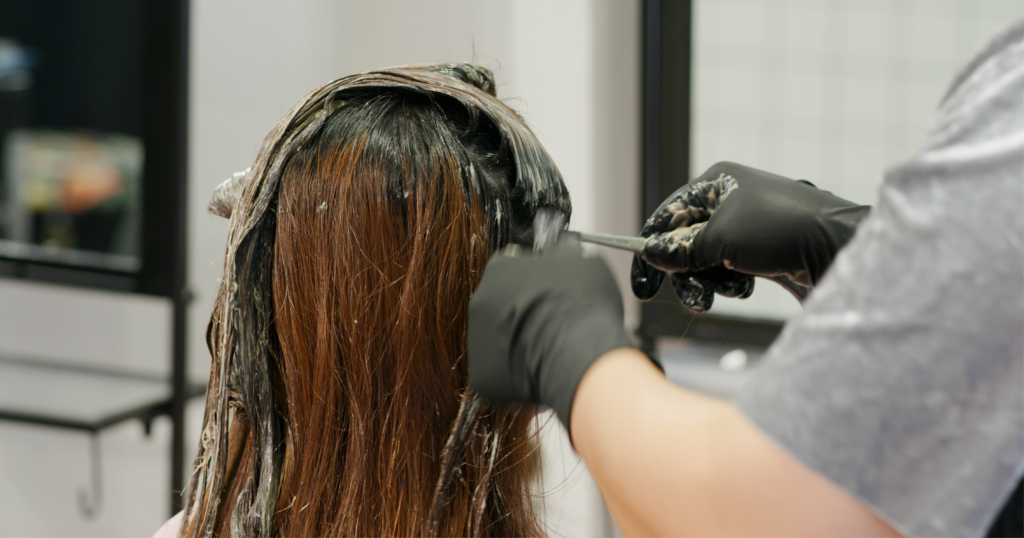
The trade-off is that rebonding uses strong chemicals and requires careful aftercare. Hair must be kept straight for the first few days, and the process is more demanding on hair health than keratin, especially if the hair is already colored or previously treated.
What Is Keratin Treatment?
Keratin treatment is a semi-permanent smoothing process that coats the hair shaft with a protein layer, reducing frizz and making hair more manageable without completely eliminating natural texture. The result is smoother, softer, and significantly less frizzy hair that still has some movement and body.
Keratin typically lasts 2 to 5 months depending on your hair type, wash frequency, and the products you use. It’s generally considered less damaging than rebonding, and it can actually improve the condition of dry or frizzy hair over time.
Hair Rebonding vs Keratin Treatment: The Key Differences
| Rebonding | Keratin | |
| Result | Bone-straight, flat | Smooth with natural volume |
| Longevity | 6–12 months | 2–5 months |
| Damage Level | Higher | Lower to moderate |
| Frizz Control | Total | Significant but not absolute |
| Natural Look | Less natural | More natural |
| Best For | Very curly or coarse hair | Wavy, frizzy, or thick hair |
Understanding these differences is the starting point when comparing hair rebonding vs keratin treatment, but the climate you live in changes the picture considerably.
Which Works Better in Cebu and Iloilo’s Humidity?
This is where things get more specific. Both cities sit in a warm, humid coastal climate, meaning hair is almost constantly exposed to moisture in the air, which expands the hair shaft and activates frizz. Here’s how each treatment holds up:
Rebonding in Cebu and Iloilo: Because rebonding permanently alters the hair’s structure, it does hold up well against humidity in terms of frizz control. However, the flat, ultra-straight result can sometimes look heavy or unnatural in the heat, and roots that grow in with natural texture can contrast sharply with the treated lengths. If your natural hair is very curly or thick and you prefer a sleek, low-maintenance style year-round, rebonding can be a good fit.
Keratin in Cebu and Iloilo: Keratin is generally better suited to the Visayas climate for most people, since it controls frizz without completely stripping the hair’s natural movement. This is especially true if you’re looking to manage frizzy hair in Cebu or deal with Iloilo’s humidity without going fully straight. The result tends to look more natural under tropical conditions, and the treatment can be repeated more safely than rebonding. For those researching the best hair smoothing in Mandaue or nearby areas, keratin is often what experienced stylists recommend first.
Hair Rebonding vs Keratin Treatment: Which Should You Choose?
When it comes to hair rebonding vs keratin treatment, here’s a practical way to decide:
Choose rebonding if:
- Your hair is very curly or coarse and has never responded well to lighter treatments
- You want a long-lasting result and don’t mind the maintenance involved
- You prefer bone-straight hair and aren’t concerned about losing natural volume
Choose keratin if:
- Your main concern is frizz, not curl elimination
- Your hair is wavy, thick, or prone to puffiness in humidity
- You want a more natural-looking result with less damage risk
- You color your hair or plan to in the near future, since keratin is generally safer to combine with color services
For most Filipinas navigating Cebu or Iloilo’s climate, keratin tends to be the more practical choice day-to-day, but the right answer genuinely depends on your hair’s starting condition and the result you’re after.
What About Combining Both?
Layering rebonding and keratin is something clients sometimes ask about, but it’s important to approach this carefully. Doing both in quick succession puts significant stress on the hair. A trusted colorist or stylist can assess your hair’s current condition and tell you whether combining treatments is safe, and in what order and timing.
This is why consulting a professional before committing to either service matters, especially if your hair has existing chemical treatments.
How Elysian Salon Approaches Hair Smoothing
At Elysian Salon, the decision between hair rebonding vs keratin treatment never starts with a price list, it starts with a proper hair assessment. Our stylists look at your hair’s current health, your natural texture, your lifestyle, and your maintenance habits before recommending anything. We want your hair to actually hold up in the Cebu and Iloilo heat, not just look good for the first two weeks.
Whether you visit us at our Cebu City branch (V. Rama Avenue), our Mandaue branch (Chatswood Center, A.S. Fortuna), or our Iloilo City branch (Plazuela Dos, Mandurriao), our team can walk you through which treatment is the right fit for your hair and your life. Book a consultation today and let’s figure it out together.
Frequently Asked Questions
Which is better, rebonding or keratin treatment?
Neither is universally better. Rebonding gives permanently straight hair and suits very curly or coarse textures, while keratin smooths and defrizzes without eliminating natural volume. In humid climates like Cebu and Iloilo, keratin tends to be the more versatile choice for most hair types, but the best option depends on your hair’s condition and the result you’re looking for.
How long does hair rebonding last vs keratin?
Rebonding typically lasts 6 to 12 months before new growth makes re-treatment necessary. Keratin treatments generally last 2 to 5 months, depending on how frequently you wash your hair and the products you use. Rebonding is more permanent but also more chemically intensive.
Can I get keratin after rebonding?
It’s possible, but timing and hair health are critical. Applying keratin over recently rebonded hair without allowing proper recovery time can cause brittleness and breakage. A professional stylist should assess your hair’s current condition before layering any chemical services.
Is keratin or rebonding better for frizzy hair?
For most people with frizzy rather than extremely curly hair, keratin is the better fit. It significantly reduces frizz while keeping the hair looking natural and maintaining some body. Rebonding eliminates frizz entirely but may result in a flat, less natural look that doesn’t suit everyone.
Does rebonding damage hair more than keratin?
Generally, yes. Rebonding uses stronger chemicals that permanently alter the hair’s structure, while keratin is a coating treatment that works with the hair shaft rather than restructuring it. Keratin can even improve hair condition over time with proper aftercare, whereas rebonding requires more careful maintenance to prevent long-term damage.